Data centers used to feel invisible.
They were somewhere “out there” — tucked into industrial parks, hidden behind anonymous walls, quietly powering email, streaming, online banking, cloud storage, social media, and the apps we use every day.
Now, that quiet infrastructure is becoming much harder to ignore.
Across North America and around the world, communities are seeing a surge in proposed data center developments. Some are massive campuses covering hundreds of acres. Others are smaller facilities placed near substations, fiber lines, or business corridors. Increasingly, they are showing up closer to residential neighborhoods, schools, farms, and small towns.
If there is cheap land, access to high-voltage power, water, fiber-optic connections, and a local government eager for tax revenue, your community could be next.
Why Are So Many Data Centers Being Built?
The simple answer: our digital lives are expanding fast.
Every photo saved to the cloud, every video streamed, every online purchase, every GPS route, every smart device, every cryptocurrency transaction, and every AI prompt depends on physical infrastructure. The internet may feel weightless, but it runs on buildings filled with servers that require land, electricity, cooling systems, backup power, security, and constant maintenance.
Artificial intelligence is accelerating this growth dramatically.
AI tools require enormous computing power. Training and running large models consumes far more energy than many traditional online services. As companies race to expand AI products, they need more places to house the hardware that makes those tools work.
That means more data centers, and fast.
What Does a Data Center Actually Look Like?
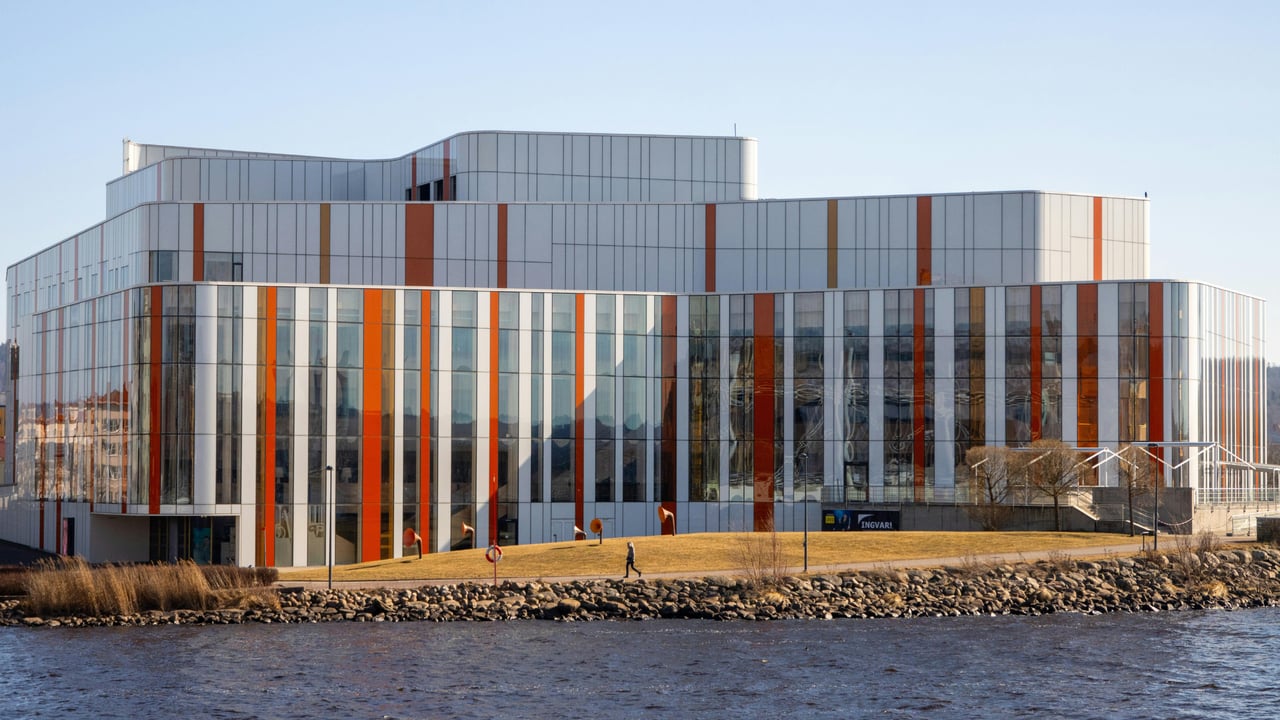
From the outside, many data centers look like large warehouses or distribution buildings. They are usually low-profile, windowless, highly secure, and surrounded by fencing. Some have backup generators, cooling equipment, substations, and large electrical infrastructure nearby.
Inside, they are filled with rows of servers, networking equipment, batteries, cooling systems, and power management technology.
Unlike a warehouse, though, a data center does not typically bring a large number of permanent jobs after construction. The building may be enormous, but once operational, it can often run with a relatively small staff.
That difference matters when communities are weighing the trade-offs.
Why Would a Data Center Be Built Near You?
Data centers are not placed randomly. Companies look for specific conditions, including:
- Reliable access to large amounts of electricity
- Proximity to transmission lines or substations
- Fiber-optic internet infrastructure
- Land that can be assembled into large parcels
- Local tax incentives or favorable zoning
- Cooler climates or access to water for cooling
- Low risk of natural disasters
- Fast permitting processes
In some regions, rural communities and smaller towns are becoming attractive because they have available land and local governments looking for new sources of revenue.
But what looks like “available land” to a developer may look very different to the people who live nearby.
The Promise: Tax Revenue and Infrastructure Investment
Supporters of data center projects often point to economic benefits.
A new facility can increase the local tax base, especially in communities that need funding for schools, roads, emergency services, or public infrastructure. Construction can bring temporary jobs. In some cases, companies may invest in utility upgrades, broadband expansion, or community grant programs.
For local governments, a data center proposal can sound like a financial opportunity.
Compared with residential development, data centers may place fewer demands on schools or public services. Compared with heavy industry, they may appear cleaner and quieter. Compared with retail, they can generate significant property tax revenue without adding traffic from daily customers.
Those benefits are real — but they are not the whole story.
The Concern: Energy Demand
The biggest issue with data centers is electricity.
Data centers can use as much power as small cities. As more are built, utilities may need to expand transmission lines, build new substations, or increase electricity generation. In some places, this raises difficult questions:
Who pays for the new infrastructure? Will residents see higher electricity rates? Will the grid become more strained during heat waves or winter storms? Will the power come from renewable energy, fossil fuels, or a mix of both?
Some companies make commitments to renewable energy, but those commitments can be complicated. Buying renewable energy credits is not the same as powering a facility with clean energy every hour of the day. A data center may still rely on the regional grid, which could include coal, gas, nuclear, hydro, wind, and solar depending on location.
Communities deserve clear answers about how much power a facility will use and where that power will come from.
The Concern: Water Use
Many data centers require significant cooling. Servers generate heat, and that heat has to be managed constantly to prevent equipment failure.
Some facilities use air cooling. Others use evaporative cooling systems that consume water. In regions facing drought, groundwater stress, or competing agricultural and residential needs, water use can become a major concern.
Important questions include:
- How much water will the facility use daily and annually?
- Will it rely on municipal water, groundwater, reclaimed water, or another source?
- What happens during drought restrictions?
- Will local residents or farmers be competing with the facility for water?
- Will wastewater be discharged, and where will it go?
A data center may be marketed as clean and quiet, but its water footprint can still be significant depending on the design and location.
The Concern: Noise
Data centers are often described as low-impact, but nearby residents sometimes report persistent noise from cooling equipment, backup generators, transformers, and electrical systems.
The issue is not always loud, sudden noise. It can be the constant low-frequency hum — day and night — that becomes disruptive over time.
Noise studies should consider not only property lines, but also nearby homes, schools, farms, and natural areas. Communities should ask whether sound walls, setbacks, equipment placement, and operating limits will be required before construction begins.
Once a facility is built, fixing noise problems can be much harder.
The Concern: Land Use and Community Character
A data center campus can dramatically change the feel of a place.
Large buildings, security fencing, substations, transmission lines, paved surfaces, lighting, and backup generators can alter rural landscapes or suburban edges. Farmland, forests, or open space may be converted into industrial infrastructure.
This does not mean every project is automatically wrong. But it does mean communities should be honest about what is being traded.
Land use decisions made quickly can shape a place for decades.
The Concern: Backup Generators and Emissions
Most data centers require backup power systems to keep servers running during outages. These often include diesel or natural gas generators.
Even if generators are used only occasionally, they may still need to be tested regularly. Depending on the number and size of generators, nearby residents may have concerns about air pollution, noise, and cumulative emissions.
Communities should ask:
- How many backup generators will be installed?
- What fuel will they use?
- How often will they be tested?
- What emissions controls will be required?
- Are battery storage or cleaner backup systems being considered?
Emergency reliability is important, but so is transparency.
What Should Communities Ask Before Approving a Data Center?
If a data center is proposed near you, the most important thing is to ask specific questions early. By the time permits are approved and construction begins, the major decisions may already be locked in.
Here are key questions residents and local officials should ask:
- How much electricity will the facility use at full buildout? Not just phase one — the entire planned campus.
- Will new transmission lines, substations, or power plants be needed? If yes, who pays for them?
- Could this project affect local utility rates? Residents should not be left subsidizing large private energy users.
- What is the water source and expected water usage? This should include peak demand and drought scenarios.
- How many permanent jobs will be created? Construction jobs are temporary. Operational jobs are often limited.
- What tax incentives are being offered? Communities should know what revenue they are giving up as well as what they may gain.
- What are the noise limits and enforcement mechanisms? Promises are not enough without monitoring and penalties.
- What environmental review is required? This should include energy, water, air quality, stormwater, habitat, and cumulative impacts.
- What happens if the project expands later? Many data center campuses are built in phases.
- How will the company be held accountable? Agreements should be written, public, measurable, and enforceable.
Data Centers Are Not Just a Local Issue
One challenge is that data centers serve global digital demand, but their impacts are local.
A community may host the land, water use, power infrastructure, noise, and visual changes, while the benefits flow to a global technology company and its users around the world.
This creates a fairness question.
If communities are being asked to host critical digital infrastructure, they should receive more than vague promises. They should receive transparency, protections, fair tax agreements, environmental safeguards, and meaningful public participation.
We Need the Internet — But We Also Need Accountability
This is not about pretending we can live without data centers.
Modern life depends on digital infrastructure. Hospitals, schools, banks, emergency services, businesses, farms, and households all rely on data storage and computing power. Data centers are part of the backbone of our economy.
But needing them does not mean every project should be approved without scrutiny.
The question is not simply, “Do we need data centers?” The better question is, “How do we build them responsibly, and who gets to decide?”
Communities should have a say in how much energy and water these facilities use, where they are located, how they are powered, and what protections are put in place for nearby residents.
You May Be Living Near One Soon
The next major data center proposal may not appear in a tech hub. It may appear near a farm field, a small town, a suburban neighborhood, or a highway interchange.
That is why residents should pay attention to zoning notices, planning commission agendas, utility proposals, and local economic development announcements.
Data centers are becoming part of the physical landscape of the digital age. They are no longer just hidden pieces of the internet. They are buildings, power lines, generators, cooling systems, and land use decisions.
And soon, one could be coming to a community near you.