When you’re preparing to sell a $2 million home, it’s natural to wonder whether a renovation will help you secure a stronger offer. Would an updated kitchen make the difference? Should you modernize the bathrooms? Or would you be spending money the next owner would rather put toward their own vision?
The short answer: make strategic improvements, but don’t assume a major renovation will pay for itself. The right approach depends on your home’s condition, competing listings, buyer expectations, and the cost of delaying your sale.
The goal isn’t to make everything new. It’s to make your home feel well maintained, appealing, and appropriately positioned for its market.
What Do Buyers Expect From a $2 Million Home?
A $2 million price point means different things in different markets. In one neighborhood, it may buy a fully updated luxury property. In another, much of the value may come from the location, lot size, views, or architectural character.
That distinction matters when deciding what to renovate.
If comparable homes offer updated interiors and move-in-ready convenience, dated finishes could put your property at a disadvantage. But if buyers are primarily paying for a rare location or redevelopment potential, an extensive interior renovation may add little to what they’re willing to offer.
Before choosing finishes or hiring contractors, review:
- Recently sold homes with similar locations, sizes, and features.
- Active listings buyers will compare with your property.
- How updated and unrenovated homes are priced—and whether they sell at those prices.
- Differences in lot quality, views, layout, and other features that renovations cannot change.
A higher sale price for a renovated home doesn’t automatically prove the renovation caused the difference.
Improvements Worth Considering Before You Sell
The most useful presale improvements typically address obvious concerns or make the home easier to appreciate.
1. Repair Maintenance Issues
Start with anything that could make buyers question how the property has been cared for.
Leaks, damaged flooring, malfunctioning fixtures, and visible moisture problems can create concern beyond their immediate repair cost. Buyers may wonder what else needs attention.
Prioritize identifying and appropriately addressing active problems before investing in cosmetic upgrades. Keep records of completed work, and discuss applicable disclosure requirements with your real estate professional or legal adviser. Cosmetic improvements should never conceal underlying defects.
2. Refresh Paint and Worn Finishes
Fresh paint can help a home feel cleaner and more cohesive, particularly when existing walls are scuffed or colors vary dramatically from room to room.
Choose a restrained palette that complements the home’s architecture and existing materials. The goal is broad appeal, not a generic makeover that removes the property’s character.
Refinishing worn hardwood or replacing visibly damaged carpet may also make sense, depending on cost and condition.
3. Improve Lighting and Presentation
Dark rooms and inconsistent lighting can make otherwise attractive spaces feel less inviting.
Consider repairing broken fixtures, using consistent bulb temperatures, and replacing conspicuously dated lighting where the change would meaningfully improve a room. Window cleaning and thoughtful furniture placement can also help showcase natural light.
These improvements support photography and showings without requiring a major construction project.
4. Strengthen the First Impression
Buyers begin evaluating a property before they reach the front door.
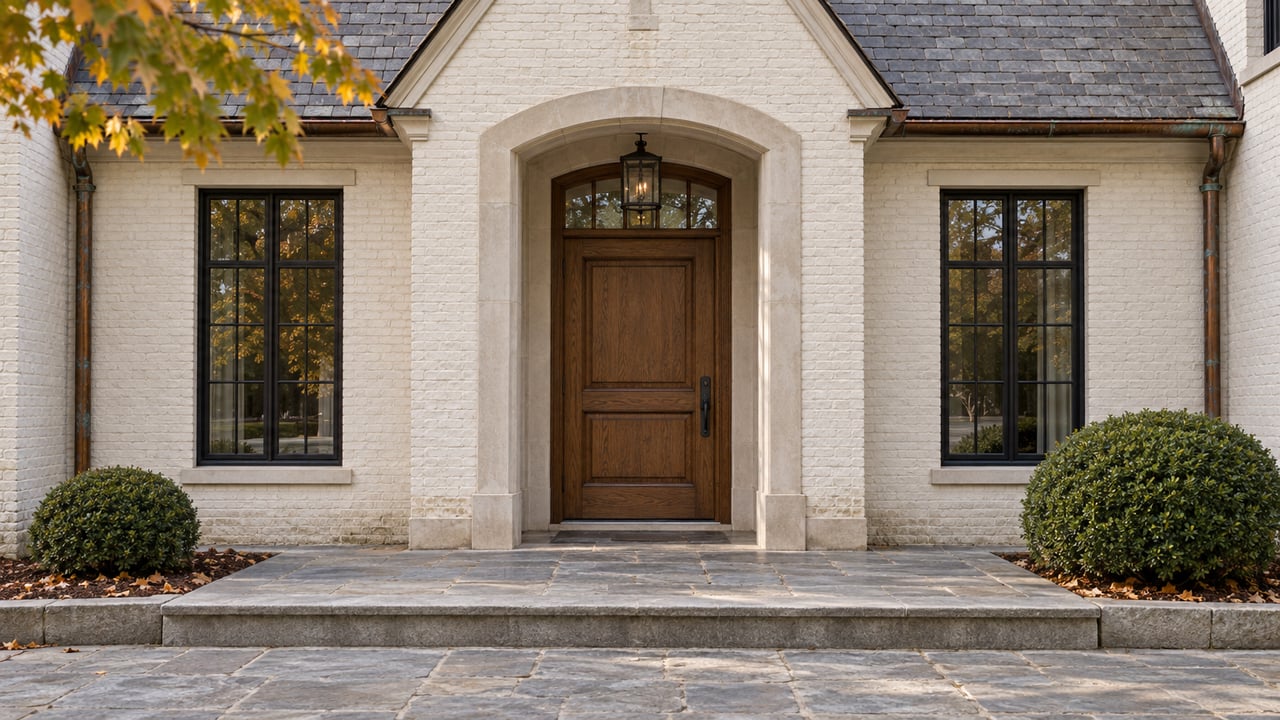
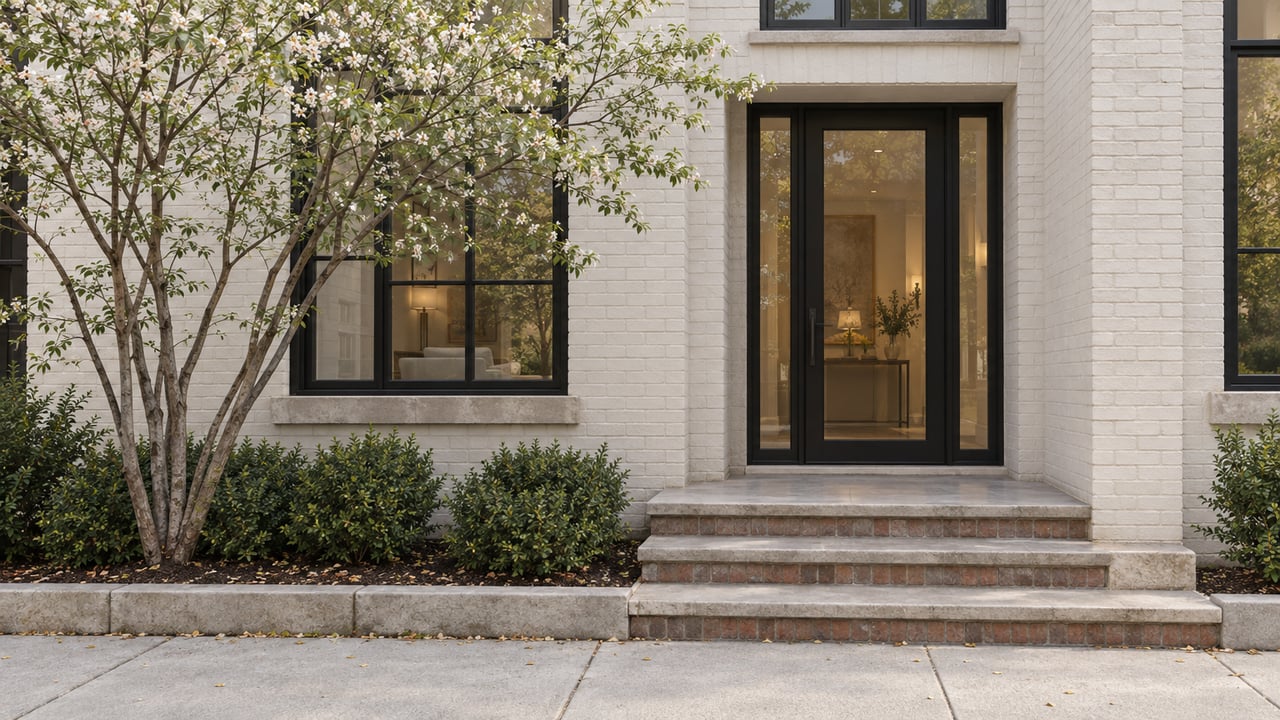
Tidy landscaping, a clean entryway, maintained exterior surfaces, and functioning outdoor lighting can communicate care immediately. Existing patios, gardens, and entertaining areas should feel usable and inviting.
Focus on presenting what’s already there rather than adding expensive outdoor features solely for the sale.
Should You Renovate the Kitchen or Bathrooms?
Kitchens and bathrooms deserve attention, but a complete remodel isn’t always the best answer.
If the kitchen is functional and well maintained, selective updates may be enough. Depending on the space, that could mean new hardware, improved lighting, professional cabinet refinishing, or replacing a damaged countertop.
A full renovation deserves closer consideration when the room’s condition or functionality is a clear disadvantage against competing homes. Even then, the budget needs to reflect what buyers are likely to value—not simply what would look impressive.
The same principle applies to bathrooms. Address leaks, deteriorated caulking, ventilation issues, and worn finishes first. Expensive tile, custom vanities, and layout changes may not generate a matching increase in sale proceeds.
A renovation can make a home easier to sell without making it more profitable to sell. Those are different outcomes.
When Selling Without a Major Renovation Makes Sense
Skipping a substantial remodel may be the better strategy when:
- The home’s main value is its location or land. Buyers may plan significant changes regardless of your updates.
- The interiors are dated but clean and functional. Appropriate pricing and strong presentation may be enough.
- Renovation would delay your listing considerably. Construction adds carrying costs and exposes you to changing market conditions.
- The likely buyer wants to customize. Your new finishes could become their demolition project.
- The projected financial benefit is narrow or uncertain. Cost overruns can quickly erase an expected gain.
Selling without renovating still requires preparation. Cleaning, decluttering, maintenance, photography, and a clear pricing strategy remain important. Selling “as-is” also does not automatically eliminate disclosure obligations.
Compare the Net Result, Not Just the Sale Price
Before approving a renovation, compare realistic outcomes for selling now, making modest improvements, and completing a larger remodel.
For each option, account for:
- Expected sale proceeds.
- Contractor, material, design, and permit costs.
- Additional carrying costs during construction.
- A contingency for unexpected work.
- Your time, disruption, and risk tolerance.
For example, if a $100,000 renovation increases the sale price by $100,000, it hasn’t created a financial gain before you even account for added carrying costs or other expenses.
Use a range of possible outcomes rather than relying on one optimistic estimate.
The Bottom Line: Prepare Strategically Before You Renovate
For many $2 million homes, the strongest presale plan is a combination of necessary repairs, selective cosmetic improvements, and thoughtful presentation—not a top-to-bottom transformation.
Before spending, identify what buyers in your specific market expect and which aspects of your home could genuinely hold back a sale. Then direct your budget toward those priorities.
Considering selling your home? Connect with Rachel Van Zanten to discuss your property, review comparable homes, and build a preparation strategy before committing to renovations.